Salvaged Building Materials
The construction sector accounts for over 38% of global greenhouse emissions, with raw concrete, steel fabrication, and virgin timber extraction forming the bulk of upfront capital pollution. In a sustainable building retrofit, the greenest material is one that has already survived decades of service.
Salvaging architectural timber, re-dressing historic masonry, and selecting lime-based mortars ensures full reversibility and ensures wall assemblies remain moisture-transpirational.
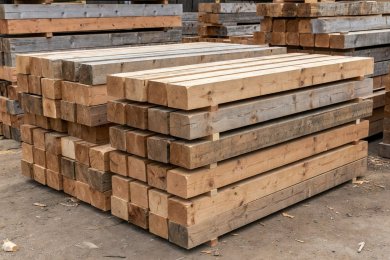
Graded Reclaimed Joists
Dense old-growth structural softwood, rescued from commercial deconstruction, displays higher tensile strength and lower shrinkage rates than rapidly grown plantation timber.
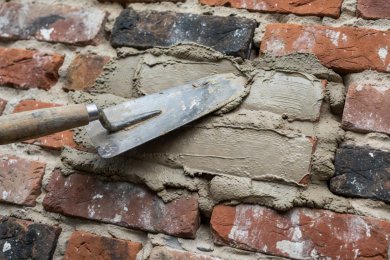
Hydraulic Lime Mortar
Unlike Portland cement, which traps dampness and breaks old bricks, breathable lime mortars allow liquid moisture to evaporate harmlessly, protecting historic masonry walls.
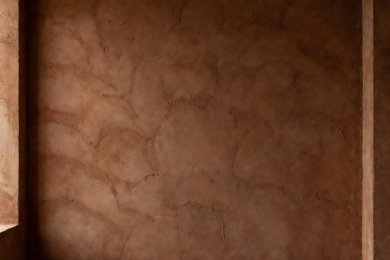
Unfired Clay Plasters
Clay surfaces absorb indoor airborne humidity spikes over 60% and release it when conditions drop below 40%, naturally regulating air quality without synthetic chemical coatings.
Design for Deconstruction (DfD)
A true circular home considers its eventual disassembly. Contemporary construction relies heavily on synthetic polyurethane foams, petrochemical mastics, and chemical adhesives that irreversibly bind distinct substrates together. Once demolition occurs, these composite materials are ruined and destined for the landfill.
Design for Deconstruction prioritizes mechanical fixings: stainless steel structural screws, slotted joints, and friction wedges. Wall cavities filled with natural loose-fill cellulose or hemp mats can be vacuum-extracted decades later and re-installed without degradation.
| Standard Material | Standard Alternative | CO2 Reduction | Indoor Air Benefit |
|---|---|---|---|
| Portland Cement Mortar | Natural NHL 2 / 3.5 Lime | -65% CO2 | Zero synthetic binders |
| Synthetic Gypsum Drywall | Clay Board + Reed Matt | -80% CO2 | Naturally absorbs VOCs |
| Polyurethane Foam Canister | Impregnated Wool & Cork Strips | -95% CO2 | Zero off-gassing / isocyanates |
| Synthetic Acrylic Emulsion | Potassium Silicate Paint | -75% CO2 | Micro-crystalline vapor open |